

We often talk about organisational culture as if it is something static: a set of values on a wall, a policy manual, or a carefully crafted mission statement. Yet culture is rarely defined by what is written down. It is shaped by how people interact, communicate, adapt, and move together every day.
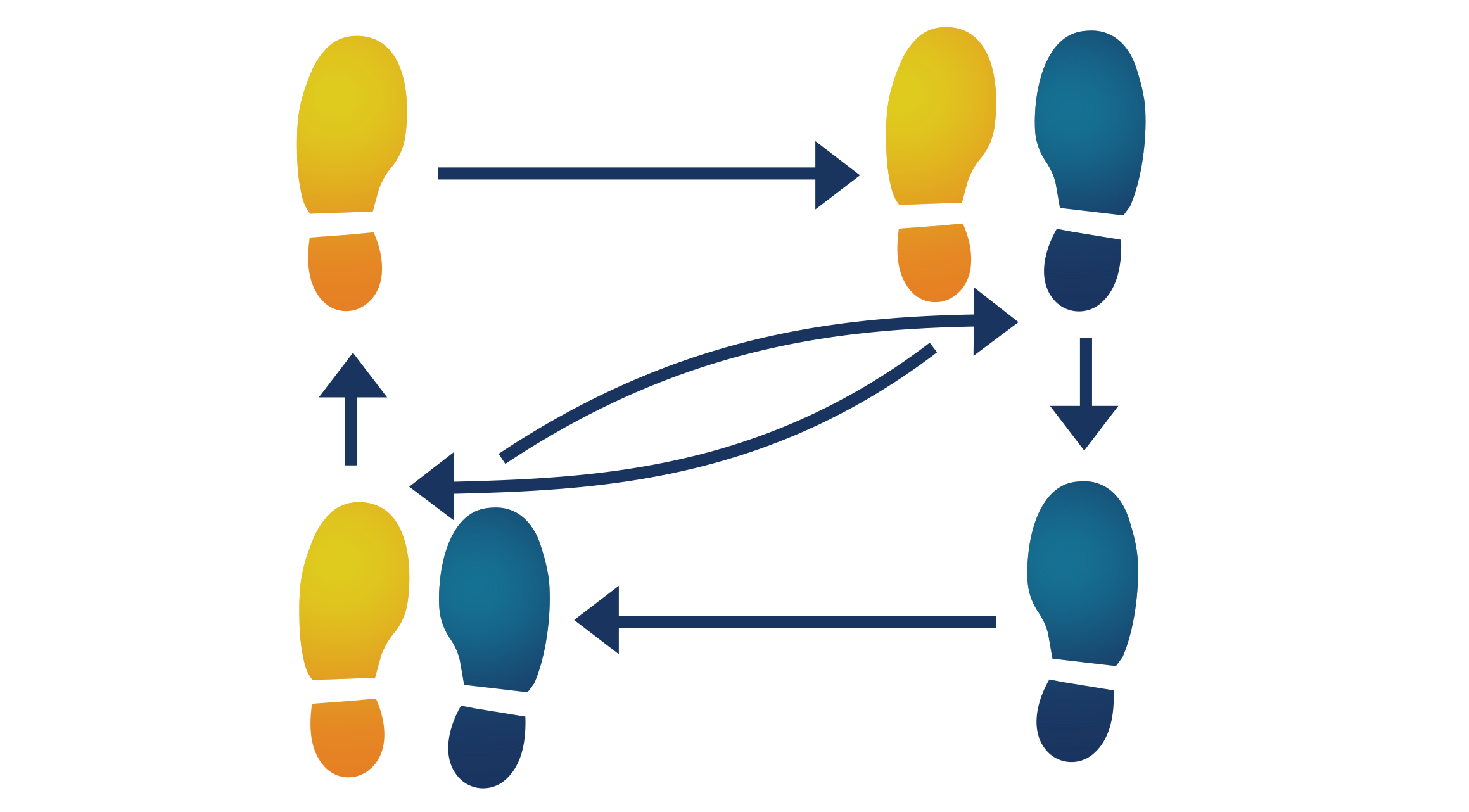
A more powerful way to understand organisational culture is through the metaphor of dance.
Like a dance, organisational culture is a living, dynamic expression of collective behaviour. It is not simply about individual talent but about how people move in relation to one another. The most successful organisations, much like the most captivating dance ensembles, achieve a balance of structure, trust, rhythm, and adaptability.
the choreography: vision, strategy and values
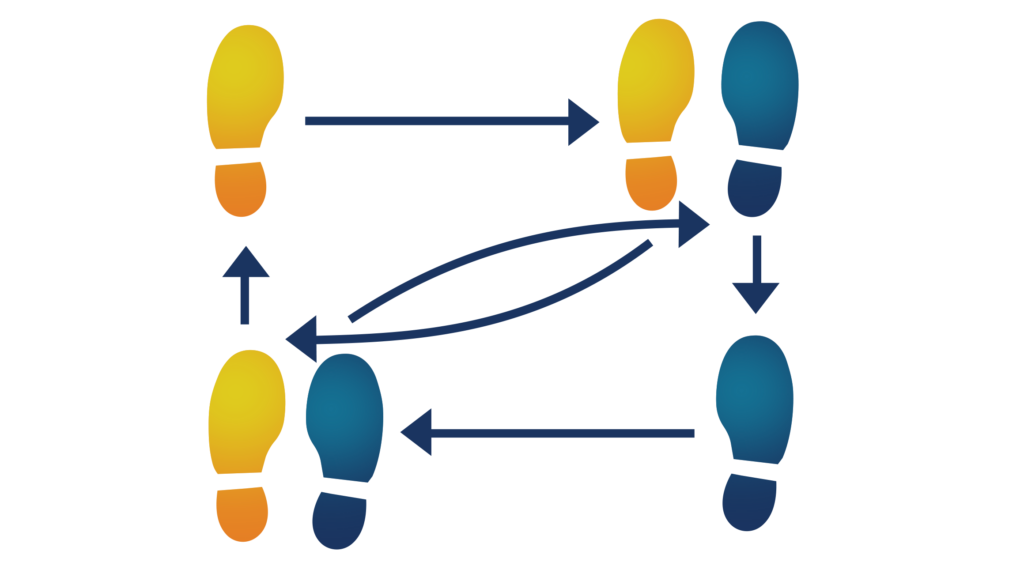
Every dance begins with choreography. It provides direction, purpose, and a shared understanding of what the performance should achieve.
In organisations, the vision, strategy and values do this – they tell us very clearly where we are going and why, what we need to do to get there and how we need to behave and collaborate to ensure we arrive together. Together these three elements provide a framework for collective intentional action.
Many leaders spend a disproportionate amount of time defining and wordsmithing these three elements on the assumption that what they say drives what actually happens and therefore the strategy and values are all they need. They are, however, missing the most fundamental element of the choreography – what people actually do.
Day-to-day behaviour has a far greater influence on culture than any statement or presentation. As leaders we need to choreograph both words and behaviours, consistently. Simply by being present we influence the dance.
As a leader you do not have the choice as to whether or not you are a role model. That choice is already made. The only choice you have is the sort of role model you actually are.
Our experience across many high performing teams and organisations show very clearly that authentic, consistent and aligned leadership behaviour embeds and sustains the dance and significantly contributes to both engagement and performance.
We worked recently with a leadership team who were keen to develop a more collaborative culture. Yet when individuals behaved in ways that undermined collaboration, leaders avoided addressing it because they disliked conflict. This led, quite obviously, to a disconnect between words and behaviours – by saying nothing the leaders thought they were actually saying nothing whereas the reality is that their silence gave tacit permission for those behaviours to continue.
We need to understand the power of our role modelling – people will judge the authenticity of our values not by words, but by what they see leaders and colleagues actually do.
To quote a leader we worked with recently – “The strategy and values need to be lived not laminated”.
the rhythm: everyday behaviours
Human beings are acutely sensitive to the dance – to the way people actually behave. We experience this as a rhythm, a pattern, and indeed, a set of habits. It shapes what feels normal, acceptable and expected.
Thus, when we join a new organisation, we intuitively look to understand the dance – how people talk, make decisions, collaborate, dress, disagree, etc. All of these patterns of behaviour tell us the prevailing culture, and this is reinforced by organisational structures such as meetings, processes and goal cascades. If we align with the ‘dance’ then we tend to be accepted and seen as a ‘good fit’ by colleagues whilst we personally feel as though we belong.
When the rhythm is clear and consistent, people know how to contribute effectively. When it is erratic or conflicting, employees struggle to find their place. A culture where leaders promote empowerment but regularly micromanage creates a rhythm that feels disjointed, much like dancers trying to follow different pieces of music.
the dancers: every employee matters
A dance performance, though, is not defined solely by its lead performers. Every dancer contributes to the overall experience. Similarly, organisational culture is the combined effect of how we all engage, and how we all, verbally, behaviourally and silently reinforce the dance.
Some do this better than others and we need to be fully aware of the influencers – the people that everybody listens to, for they have the power to shape the dance in ways that at times is greater than the leadership team.
Engaging these influencers’ voices makes culture a genuinely co-created endeavour. People become active participants in shaping the culture rather than passive recipients of it. This develops a shared ownership of performance and encourages everybody to support and challenge behaviour that is not aligned.
This highlights an important truth: culture is a shared responsibility. While leaders set the tone, everybody contributes to the ongoing quality and integrity of the dance.
improvisation: adapting to change
No dance performance unfolds exactly as planned. A missed step, a change in tempo, or an unexpected challenge requires dancers to adapt in real time. The strongest performers are not those who follow choreography perfectly but those who can adjust while maintaining the flow of the performance.
Organisations face similar realities. Markets change, technologies evolve, and customer expectations shift. A healthy culture enables people to respond with agility rather than fear.
Cultures that encourage learning, experimentation, and open communication empower employees to improvise when circumstances demand it. In contrast, rigid cultures often struggle because they prioritise compliance over adaptability. The result is an organisation that becomes trapped following yesterday’s choreography while the music has already changed.
trust: the foundation of every great performance
Dance offers perhaps the clearest lesson about culture – great performances depend on trust.
Dancers must believe that their partners will support them, communicate clearly, and respond appropriately to movement and momentum. Without trust, hesitation creeps in, confidence diminishes, and the performance suffers.
The same dynamic applies within organisations.
Trust is less like a contract and more like rhythm. When it exists, people work together naturally. When it breaks down Once broken, collaboration suffers, even if the formal structures remain intact.
Trust is the foundation for collaboration and innovation. It enables people to confidently share ideas, admit mistakes, seek feedback, and take calculated risks.
Without trust, people become cautious and protective, focusing more on self-preservation than collective success. This becomes an individual defensive dance rather than a team performance dance.
creating a culture worth watching
The most memorable dance performances appear effortless, but they are built on continuous practice, feedback, and refinement. Organisational culture operates in the same way.
Culture is not something that leaders announce at a company town hall and then consider complete. It requires ongoing attention, intentional behaviours, and constant reinforcement. It must be rehearsed through actions, strengthened through trust, and adapted as circumstances evolve.
Viewing organisational culture as a dance reminds us that success is not about achieving perfect compliance with a predefined script. It is about creating an environment where people move together with purpose, confidence, and coordination. When everyone understands the rhythm, trusts their partners, and embraces the choreography while remaining open to improvisation, the organisation creates something far greater than individual performance.
Every organisation has a dance. The critical question for leaders is whether the dance being performed is the one they believe they choreographed and whether they are consistently role modelling the dance.